Natural Dyes in Afghan Rugs: Madder, Indigo and Pomegranate
Why naturally dyed wool glows rather than fades, and which plants give Afghan rugs their reds, blues and golds.
By Kazimi Rugs1 min read
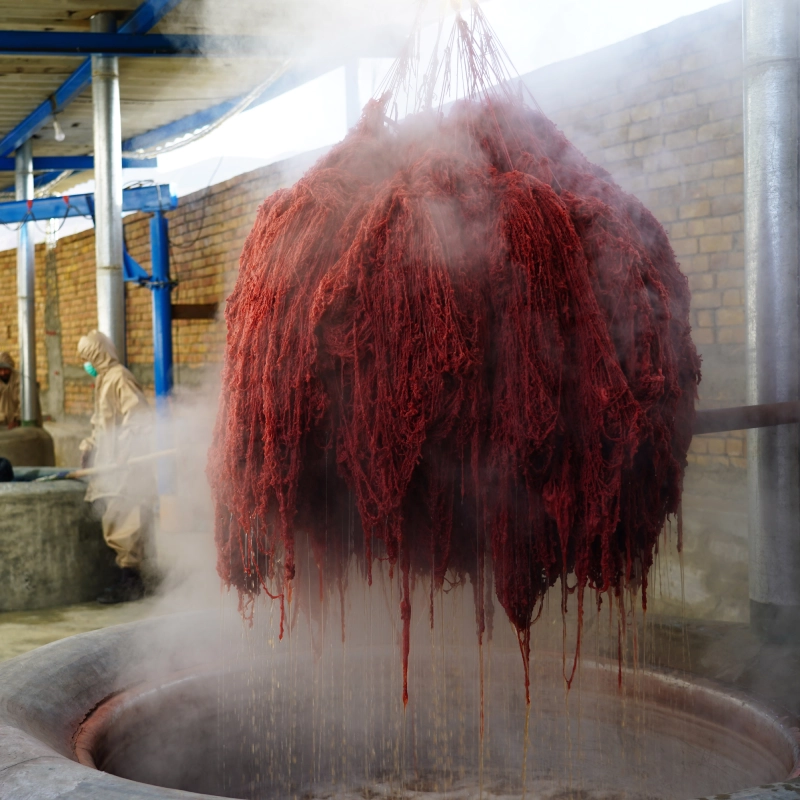
Before synthetic dyes arrived in the late 19th century, every rug was coloured with plants, roots and minerals. Many Afghan workshops still dye wool the traditional way — and the difference shows.
Madder root: the classic red
Madder root produces the deep reds that define so many Afghan rugs. Depending on the mordant and dyeing time, the same root can give soft pinks, brick reds or rich burgundies.
Indigo: blues from light to midnight
Indigo leaves are fermented to create a dye bath. Wool is dipped repeatedly — each dip deepens the colour, from pale sky blue to the near-black navy used for outlines.
Pomegranate and walnut: golds and browns
Pomegranate rind gives warm golds and yellows, while walnut husks produce browns. Over-dyeing a yellow with indigo creates natural greens.
Why natural dyes age beautifully
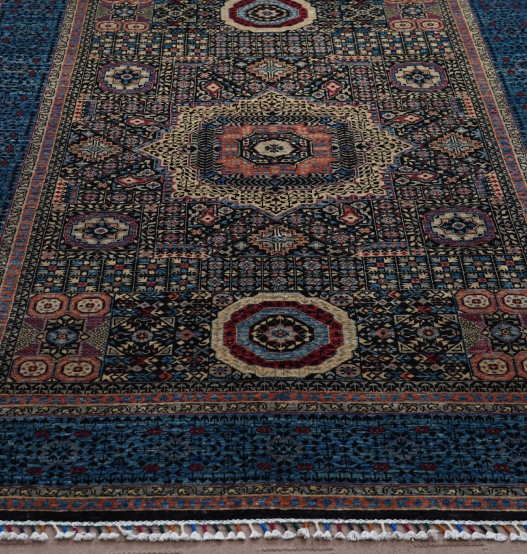
Naturally dyed wool takes colour slightly unevenly, creating gentle variations called abrash. Over the years the colours mellow and soften instead of fading flat, which is why antique rugs glow.
How to recognise them
- Subtle tonal shifts within a single colour area.
- Colours that harmonise rather than clash, even when bright.
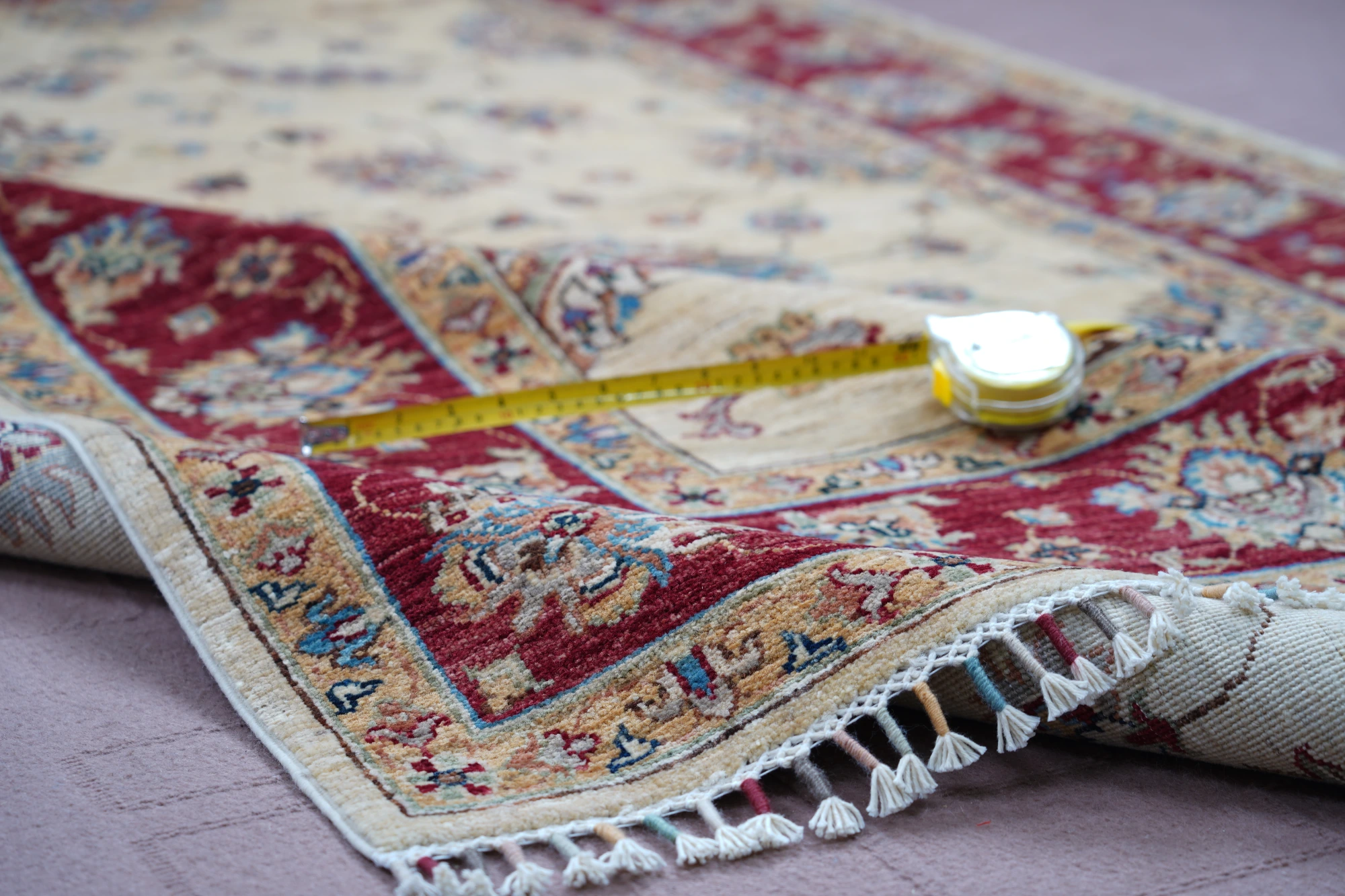
- A gentle softening at the tips of the pile, while the base of the knot stays richer.