Afghan Rugs Explained: Chub-Rang, Kazak and Sherwan
Three weaving families, three visual languages. Here is how to tell Chub-Rang, Kazak and Sherwan rugs apart — and which suits your room.
By Kazimi Rugs1 min read
Afghan rugs are among the most recognisable hand-knotted textiles in the world, but "Afghan rug" covers several distinct weaving traditions. Knowing the main families makes it far easier to choose a piece that suits your space.
Chub-Rang: fearless colour
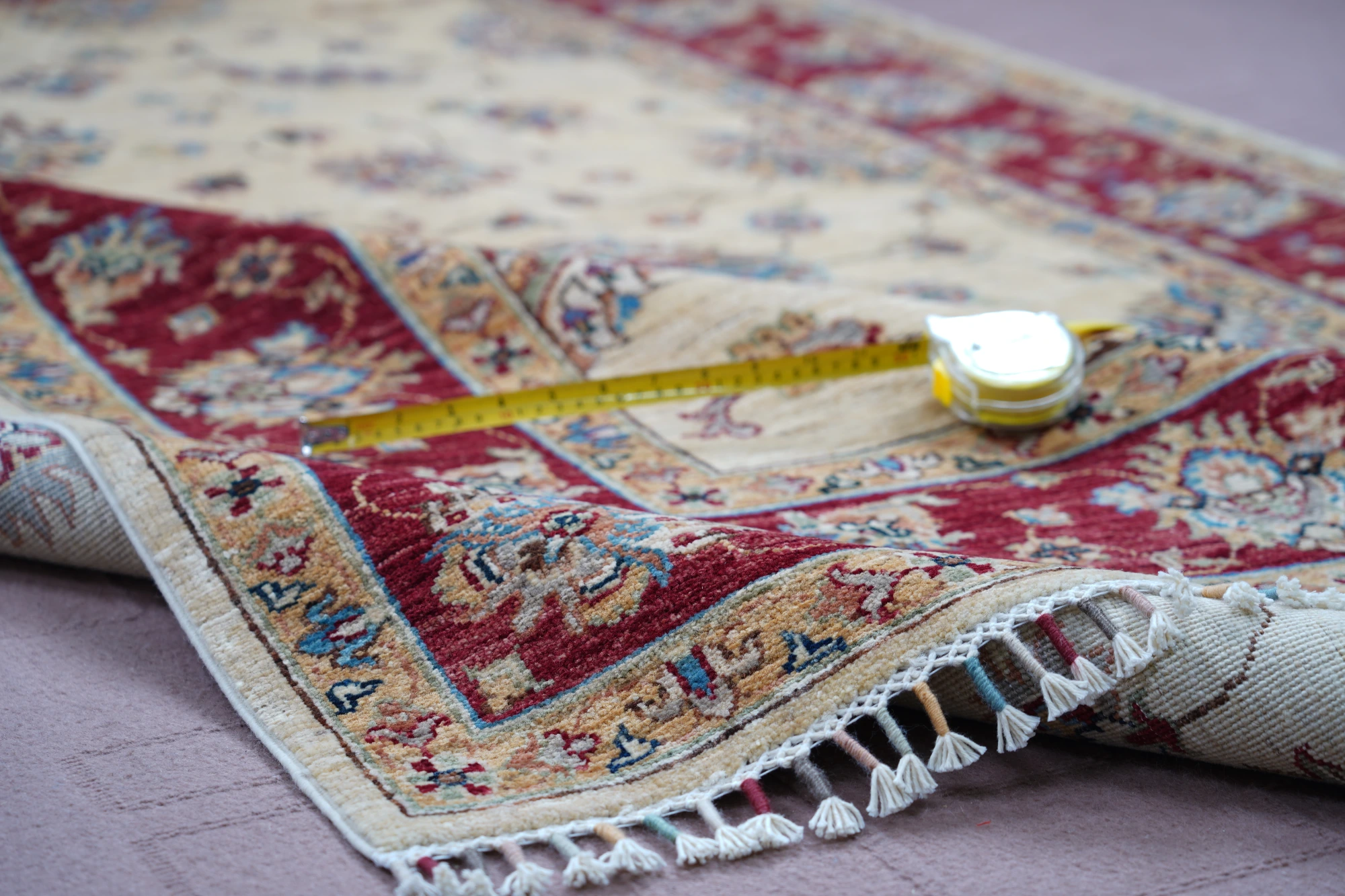
Chub-Rang rugs are rooted in regional tribal traditions. Expect saturated reds, blues, greens and golds set against each other, rich multi-band borders and motifs that were traditionally passed from one generation of weavers to the next. Popular styles include Sultani, Bakhtyari and the tree-of-life Darakht design.
Best for: living rooms and dining rooms that can carry a statement piece, or a calm, neutral interior that needs a focal point.
Kazak: bold geometry
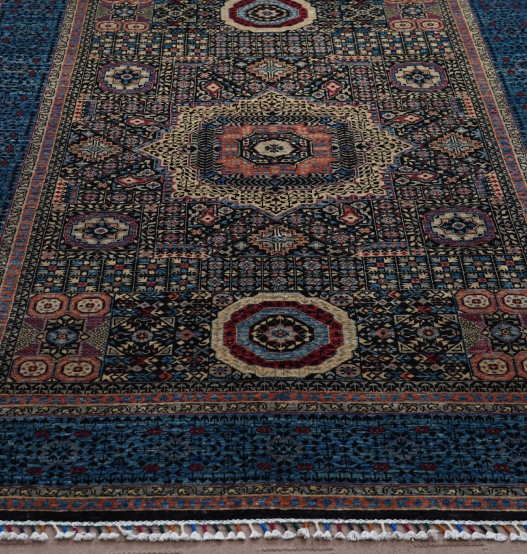
Kazak rugs are defined by large geometric medallions, strong primary colours and a thick wool pile that feels substantial underfoot. Their graphic patterns read well from a distance, which is why they work so well in larger rooms.
Best for: open-plan spaces, studies and entrance halls where the pattern can be seen as a whole.
Sherwan: refined detail
Sherwan rugs bring a softer, more refined palette, with intricate all-over fields and finer knotting. They sit comfortably in contemporary interiors and pair well with wood and natural textures.
Best for: bedrooms, modern living rooms and spaces where you want warmth without a dominant pattern.
How to choose between them
- Look at your room's colours first. A busy room usually benefits from a Sherwan; a minimal room can carry a Chub-Rang.
- Think about viewing distance. Kazak geometry is designed to be read across a room.
- Consider traffic. A thick Kazak pile handles busy areas especially well.
Still unsure? Every rug we make is one of a kind — tell us about your room and we will suggest pieces from the collection or weave one to your brief.